 Rosacea is a long-term skin condition that impacts millions of individuals globally. Although often misunderstood and misdiagnosed, it’s a common issue that can have a significant impact on self-esteem and quality of life. At Peninsula Dermatology Skin Cancer Surgery Center in Newport News and Williamsburg, VA, we believe in educating our patients about the causes, triggers and rosacea treatment options to help manage the condition effectively.
What is Rosacea?
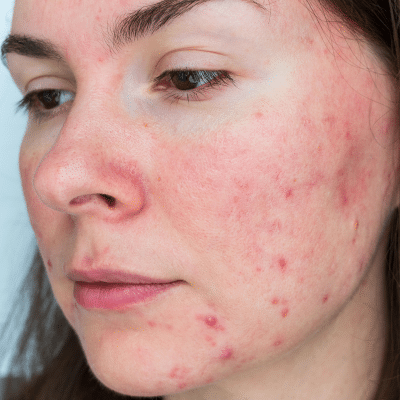
Rosacea is a skin condition that primarily affects the face, causing redness, visible blood vessels and sometimes, acne-like bumps. While it can affect people of all ages, it is most commonly seen in fair-skinned individuals and those between the ages of 30 and 50. The exact cause of rosacea remains unclear, but it is thought to be a combination of genetic and environmental factors.
The symptoms of rosacea can vary, but common signs include:
- Facial redness: A persistent flush or redness, particularly on the cheeks, nose and forehead.
- Visible blood vessels: Small, red blood vessels (also called telangiectasia) may become visible on the skin.
- Bumps and pimples: Pimples or pustules resembling acne may develop.
- Burning or stinging: The affected skin may feel irritated, hot, or painful.
- Eye irritation: In some cases, rosacea can affect the eyes, leading to dryness, irritation, or redness.
Common Triggers of Rosacea
While the exact cause of rosacea remains a mystery, certain triggers are known to exacerbate the condition. These triggers can vary from person to person, but understanding them is crucial for managing flare-ups and finding the right rosacea treatment.
- Sun Exposure: One of the most common triggers for rosacea is sun exposure. UV rays can cause the blood vessels in the skin to dilate, leading to increased redness and irritation. People with rosacea should protect their skin with a broad-spectrum sunscreen, even on cloudy days, to prevent flare-ups that may require treatment.
- Hot or Cold Weather: Extreme temperatures can worsen rosacea. Hot weather, especially when combined with sweating, can cause flare-ups. On the other hand, cold weather can irritate the skin, causing dryness and inflammation that may require treatment.
- Spicy Foods: Certain foods, particularly spicy ones, are known to trigger rosacea symptoms. Hot peppers, chili and other spicy ingredients can cause the skin to flush, leading to increased redness. Avoiding spicy foods may reduce the need for treatment.
- Alcohol: Alcohol, especially red wine, can dilate blood vessels, leading to facial redness and flushing. It’s not uncommon for people with rosacea to notice worsening symptoms after consuming alcohol, making it important to consider treatment when symptoms become more severe.
- Stress: Emotional stress is another major trigger for rosacea. Stress can cause the body to release hormones that dilate blood vessels, increasing redness and irritation in the skin. Managing stress can reduce the frequency of flare-ups and the need for treatment.
- Hot Baths or Showers: Hot water can irritate the skin, causing the blood vessels to expand and intensifying rosacea symptoms. Opting for lukewarm water and avoiding long, hot showers can help manage flare-ups, possibly reducing the need for intensive treatment.
- Harsh Skincare Products: Certain skincare products, particularly those with alcohol or fragrances, can irritate the skin and worsen rosacea. Choosing gentle, non-irritating skincare products designed for sensitive skin may reduce the need for additional treatment.
- Wind: Exposure to wind, particularly in cold, dry conditions, can dry out the skin and lead to flare-ups. Wearing a scarf or protective clothing can help shield the skin, decreasing the severity of rosacea and minimizing the need for further treatment.
Rosacea Treatment Options
While there is no cure for rosacea, there are several effective rosacea treatment options available to manage and reduce the symptoms. Treatments can range from topical creams and oral medications to laser therapy, depending on the severity of the condition.
- Topical Treatments: For mild to moderate rosacea, topical treatments are often the first line of defense. Prescription creams and gels containing ingredients such as metronidazole, azelaic acid, or ivermectin can help reduce inflammation, redness and bumps. These treatments are highly effective in managing rosacea and may eliminate the need for additional rosacea treatment options.
- Oral Medications: For more severe cases of rosacea, oral medications may be necessary. Antibiotics such as doxycycline or tetracycline are often prescribed to reduce inflammation and control the acne-like symptoms of rosacea. In some cases, oral isotretinoin may be used for persistent cases. Oral medications can significantly enhance the effectiveness of treatment.
- Laser Therapy: Laser treatments, such as pulsed dye laser (PDL) or intense pulsed light (IPL), can target and shrink visible blood vessels, reducing redness and improving the overall appearance of the skin. These treatments are particularly effective for individuals with prominent blood vessels or persistent redness, offering a long-term solution for rosacea treatment.
- Chemical Peels: Chemical peels using mild exfoliants can help reduce the appearance of rosacea by improving skin texture and reducing inflammation. These peels are typically performed under the supervision of a dermatologist and are considered an advanced rosacea treatment.
- Eye Treatments: For individuals whose rosacea affects their eyes (ocular rosacea), treatments may include prescription eye drops or oral antibiotics to reduce inflammation and irritation. It’s important to visit a specialist if you experience symptoms of ocular rosacea, as targeted rosacea treatment can alleviate discomfort.
- Lifestyle Modifications: Managing triggers is a key aspect of rosacea treatment. Lifestyle changes, such as using sun protection daily, avoiding known irritants and practicing stress management techniques, can help reduce flare-ups. Additionally, switching to a gentle skincare routine with non-irritating products can make a significant difference.
Request Your Consultation in Newport News or Williamsburg, VA Today
Rosacea can be a challenging condition to manage, but with the right knowledge and rosacea treatment, it is possible to keep flare-ups under control. At Peninsula Dermatology Skin Cancer Surgery Center in Newport News and Williamsburg, VA, we specialize in diagnosing and treating rosacea, offering personalized care to help you manage symptoms and improve your skin’s appearance. If you think you may have rosacea or if you’re struggling to control your symptoms, request a consultation with one of our dermatology specialists today. Together, we can develop a rosacea treatment plan tailored to your needs, helping you achieve clearer, healthier skin.