
 Learning how to manage psoriasis is essential, as the condition goes beyond being just a skin problem. While its visible symptoms appear on the surface, psoriasis can impact both physical comfort and emotional well-being. At Peninsula Dermatology Skin Cancer Surgery Center in Newport News and Williamsburg, VA, patients receive expert evaluation and personalized care for psoriasis and other chronic skin conditions.
What Is Psoriasis?
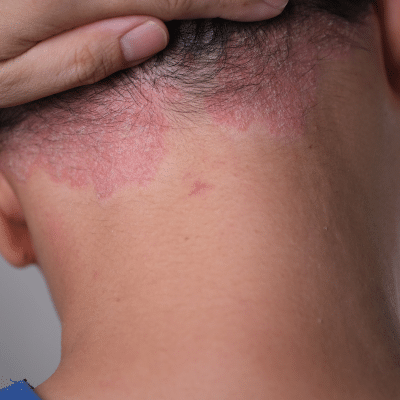
Psoriasis is a chronic skin condition in which skin cells multiply much faster than normal. In healthy skin, cells develop beneath the surface and gradually rise before shedding naturally. With psoriasis, this process accelerates, causing excess skin cells to accumulate on the surface and form raised red plaques covered with whitish or silvery scales.
These plaques can be itchy, irritated and sometimes painful. Psoriasis most commonly appears on areas such as the knees, elbows and scalp but can develop anywhere. Understanding how to manage psoriasis begins with recognizing these visible signs.
The most common form is plaque psoriasis, though several other types exist, including nail psoriasis, guttate psoriasis, inverse psoriasis, pustular psoriasis, erythrodermic psoriasis and psoriatic arthritis.
Causes of Psoriasis
While the exact cause is not fully understood, psoriasis is thought to result from a combination of genetics, immune system activity and environmental factors. Many experts believe psoriasis is linked to an autoimmune response, where the immune system mistakenly triggers inflammation and accelerates skin cell production.
Certain triggers can worsen psoriasis flare-ups. These include infections, stress, smoking, heavy alcohol consumption, skin injuries, severe sunburn, vitamin D deficiency and certain medications. Learning how to manage psoriasis often involves identifying and minimizing these triggers.
Recognizing the Symptoms
Symptoms vary widely in severity. Some individuals experience mild irritation, while others develop noticeable plaques. Common signs include:
- Red, inflamed patches of skin topped with silvery or white scales.
- Dry or cracked skin that may bleed
- Small scaly spots, particularly in children
- Thickened, ridged, or pitted nails
- Swollen or stiff joints
Understanding these symptoms is critical for learning how to manage psoriasis and seeking treatment early.
Diagnosing Psoriasis
Diagnosis typically involves a thorough skin examination by one of our dermatologists. Your provider will assess lesion appearance, location and your personal and family medical history. Sometimes, a small skin biopsy may be done to confirm the diagnosis.
Consulting one of our board certified dermatologists is an important step in learning how to manage psoriasis, especially if symptoms are severe or affecting your quality of life.
Treatment Options
Although there is no cure for psoriasis, several treatments can help control symptoms and improve skin health. Our dermatologists can create a personalized plan to teach you how to manage psoriasis effectively.
Topical Treatments
For mild to moderate psoriasis, topical medications applied directly to the skin are often recommended:
- Steroid creams reduce inflammation and itching
- Salicylic acid ointments help shed psoriatic skin cells
- Vitamin D topical treatments improve skin cell turnover
- Prescription retinoids contain synthetic vitamin A to normalize cell growth
Topical care is one of the first steps in how to manage psoriasis at home under professional guidance.
Systemic Medications
For moderate to severe psoriasis or cases resistant to topical treatments, systemic medications may be prescribed. These medications work throughout the body to reduce inflammation and regulate immune system responses. Knowing how to manage psoriasis with systemic therapy is often life-changing for patients with chronic or widespread plaques.
Light Therapy
Controlled exposure to ultraviolet (UV) light can slow the growth of affected skin cells and reduce inflammation. Phototherapy is an effective treatment for patients looking for additional ways to learn how to manage psoriasis..
Long-Term Management
Managing psoriasis requires ongoing care. Strategies for how to manage psoriasis long-term include identifying triggers, following prescribed treatments and maintaining regular dermatology visits. Patients may also benefit from stress reduction techniques, skin moisturizers and healthy lifestyle choices.
Request Your Appointment in Newport News and Williamsburg, VA Today
At Peninsula Dermatology Skin Cancer Surgery Center in Newport News and Williamsburg, VA, patients receive personalized guidance to help them understand how to manage psoriasis and live comfortably with the condition. With expert support, it’s possible to reduce flare-ups, improve skin health, and regain confidence. Request your appointment today!